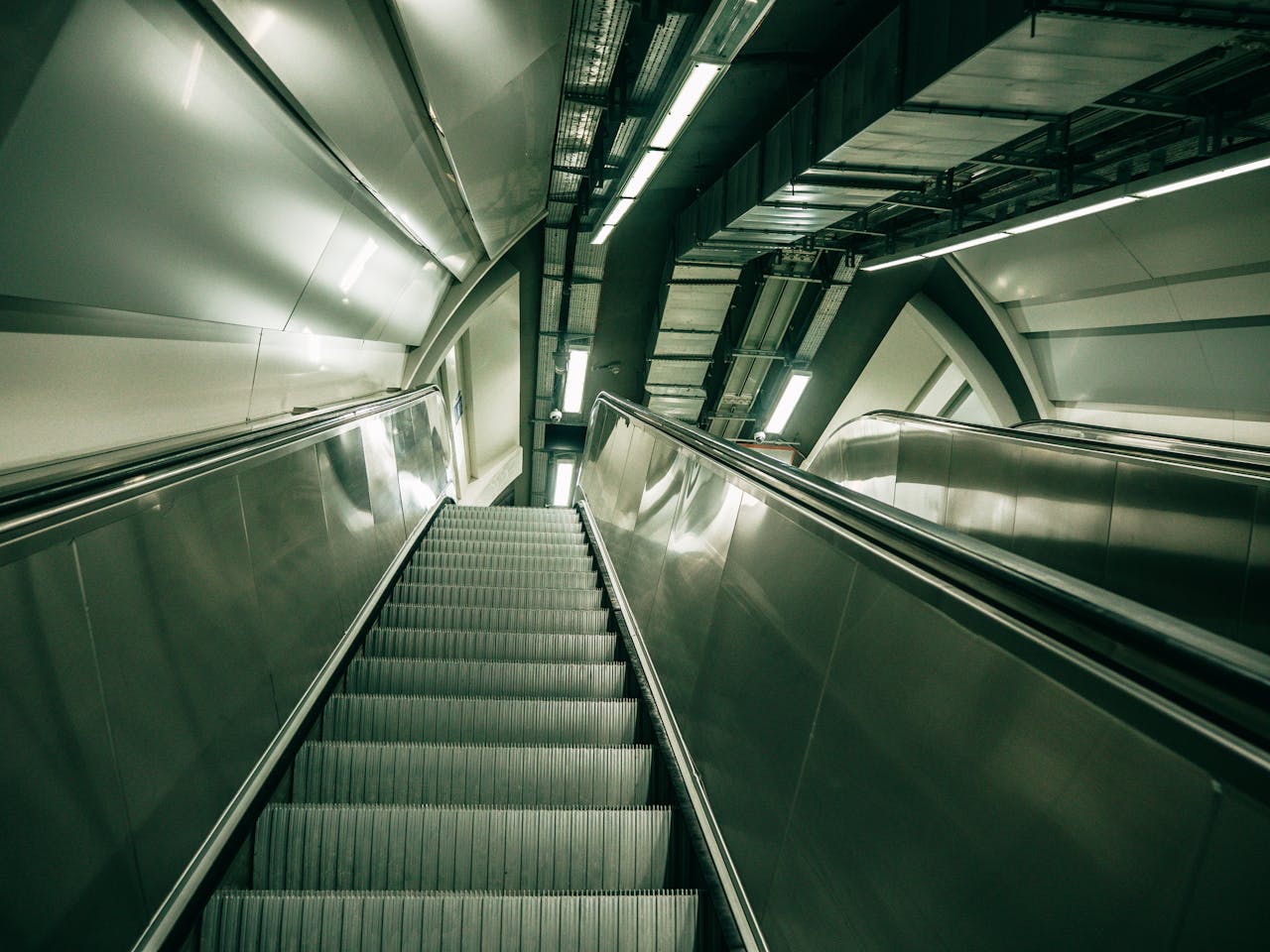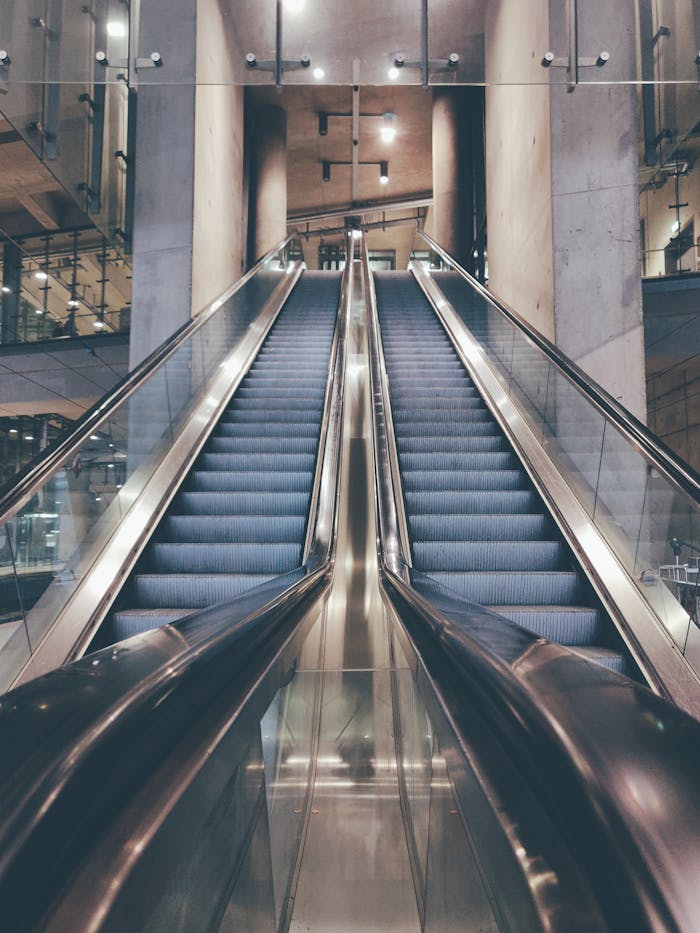
The escalator step is the most visible component of any vertical transportation system, but its importance goes far beyond aesthetics. As the primary interface between the passenger and the machine, the structural integrity of the step is paramount for safety.
For maintenance companies and spare parts buyers, choosing the right replacement step involves more than just matching dimensions. Here are the critical factors you need to consider to ensure durability and passenger safety.
Material Matters: Die-cast Aluminum vs. Stainless Steel
When sourcing replacement steps, the first decision is often the material. While both serve the same purpose, their performance in different environments varies significantly.
Pro Tip: If your client is looking to reduce long-term energy costs and mechanical wear, aluminum steps are usually the superior choice. However, always verify the load-bearing certifications (such as EN115) regardless of the material.
Die-cast Aluminum Steps: These are the industry standard for modern escalators. They are lightweight, which reduces the load on the drive motor and chain, leading to lower energy consumption. Aluminum is also naturally corrosion-resistant, making it ideal for indoor environments with high humidity.
Stainless Steel Steps: Known for their extreme durability and “heavy-duty” nature. They are often preferred for outdoor public transit or high-traffic metro stations where the equipment is exposed to the elements and heavy physical impact.
The Silent Hero: The Step Roller and its Impact
A step is only as good as the wheels it rides on. Each step is supported by Step Rollers (trailing rollers) that guide it along the tracks.
Replacement Advice: When replacing steps, always inspect the attached rollers. Using high-quality polyurethane rollers with sealed bearings ensures a quiet ride and protects the track system from unnecessary wear.
The Hidden Failure: A worn or “flat-spotted” roller—often caused by the escalator sitting idle for long periods under load—will create significant vibration and noise. More importantly, a seized roller can damage the expensive guide rail system, leading to a much costlier repair than a simple roller replacement.
Inspection Tip: During routine maintenance, check for “flat spots” on the polyurethane tires. If you hear a rhythmic “thumping” sound as the steps move, it’s time for a roller audit.
Safety Demarcations: More Than Just Yellow Paint
The yellow borders on a step, known as Step Demarcations, are a critical safety feature designed to prevent “entrapment” (clothing or feet getting caught between the step and the skirt panel).
Replacement Advice: If the treads (the “teeth” of the step) are chipped or the yellow borders are no longer visible, the entire step should be evaluated for replacement to maintain compliance.
The Hidden Failure: Many older steps have painted yellow lines that chip and fade over time, failing to provide the high-contrast visual cue required by safety codes like ASME A17.1 or EN115. Modern high-quality steps use plastic inserts or specialized coatings that are much more durable.
Safety Requirement: Ensure the replacement steps feature vibrant, slip-resistant yellow borders. This isn’t just about looks; it’s about liability and meeting international safety standards to prevent accidents at the “comb-step” intersection.
Summary: Reliability Starts with the Right Specs
A high-quality escalator step should provide a smooth, silent, and safe transition for every passenger. By focusing on the material grade, roller quality, and safety markings, you can extend the life of the entire escalator system.
Key Takeaways for Buyers:
- Match the material to the environment (Aluminum for weight/efficiency, Steel for ruggedness).
- Never overlook the condition of the Step Rollers.
- Prioritize safety compliance with durable Yellow Demarcations.
Looking for high-precision Escalator Steps compatible with KONE, Otis, or Schindler? We provide a wide range of die-cast aluminum and stainless steel steps with global shipping.
[Click here to request a technical datasheet] or contact our team for a bulk quotation.